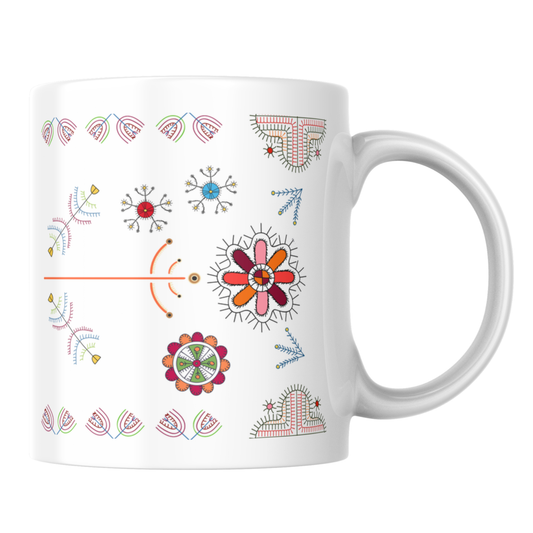
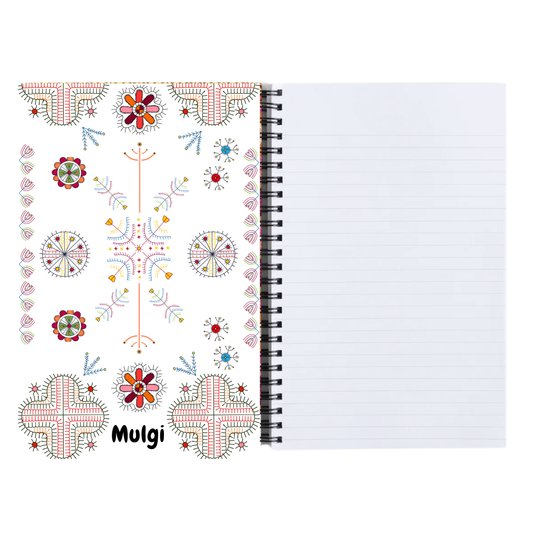
Collection: Mulgi
Mulgimaa is a cultural-historical region in southern Estonia, south of Viljandi, and home to the Mulgi people and their dialect. Historically, Mulgimaa was made up of five parishes, Halliste, Helme, Karksi, Paistu and Tarvastu. Today it lies mostly within Viljandi County and north-western Valga County.
The land in Mulgimaa is among the most fertile in Estonia, and this prosperity shaped local culture. In the 19th century, Mulgi farmers were among the first in Estonia to buy their own farms and invest in education and real estate, helping them rise into the country’s intelligentsia and play an active role in Estonian cultural life. A strong Mulgi identity remains today, supported by the Mulgi dialect, local festivals and even an official Mulgi flag.
Traditional Mulgi clothing is instantly recognisable. Men wear a long black woollen kaftan with red cord trim and a high black hat with a wide brim, a look so iconic that it has been worn on special occasions by Estonia’s former president. Wooden sculptures across the region depict this outfit, welcoming visitors into Mulgi country.
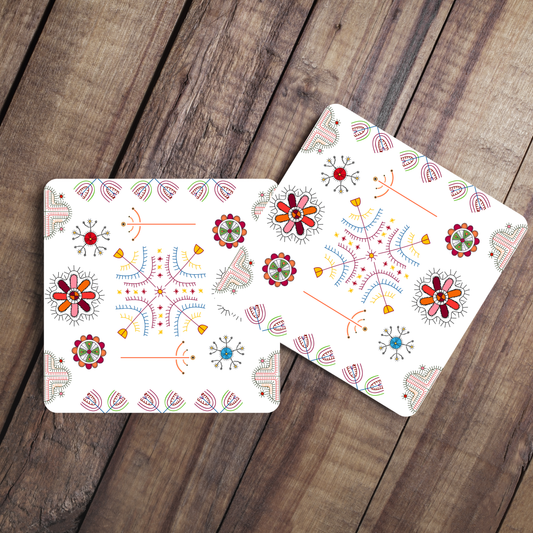
The deep black of Mulgi cloth was traditionally achieved by soaking brown yarn or fabric in iron-rich bog water, creating a distinctive dark tone that forms the backdrop for bold red detailing. In women’s clothing, Mulgimaa is known for preserving archaic garments, wrap skirts and hip aprons, as well as rich embroidery with solar and cross motifs, designs that link the region visually to other parts of South Estonia and neighbouring Latvia, while still remaining uniquely Mulgi.

 Sold out